
Noise exposure is one of the most common yet underestimated hazards in the workplace. It can range from the constant hum of office equipment and ventilation systems to the roar of heavy industrial machinery or construction tools.
What is the meaning of noise exposure at work?
Noise exposure at work refers to unwanted or harmful sounds that can interfere with normal activities, affect concentration, or cause discomfort and damage to health. According to the Health and Safety Executive (HSE), noise becomes a workplace hazard when it reaches levels capable of damaging hearing, disrupting communication, or negatively impacting well-being.
Noise is measured in decibels (dB), and its effects depend on both the intensity of the sound and the duration of exposure. Even moderate levels, if sustained over long periods, can contribute to fatigue or stress. In contrast, short bursts of very loud noise can cause immediate and permanent hearing damage. This makes managing noise exposure a critical part of occupational health and safety.
What are the risks of noise exposure at work?
While it may seem like a routine part of many working environments, uncontrolled noise exposure can have serious consequences for both employees and employers. Understanding noise, its associated risks, and the legal duties that govern it is essential for maintaining a safe, healthy, and compliant workplace.
The risks of workplace noise extend far beyond hearing loss. Prolonged exposure to high noise levels can cause tinnitus (a persistent ringing or buzzing in the ears), communication difficulties, and reduced concentration; all of which increase the likelihood of mistakes and accidents.
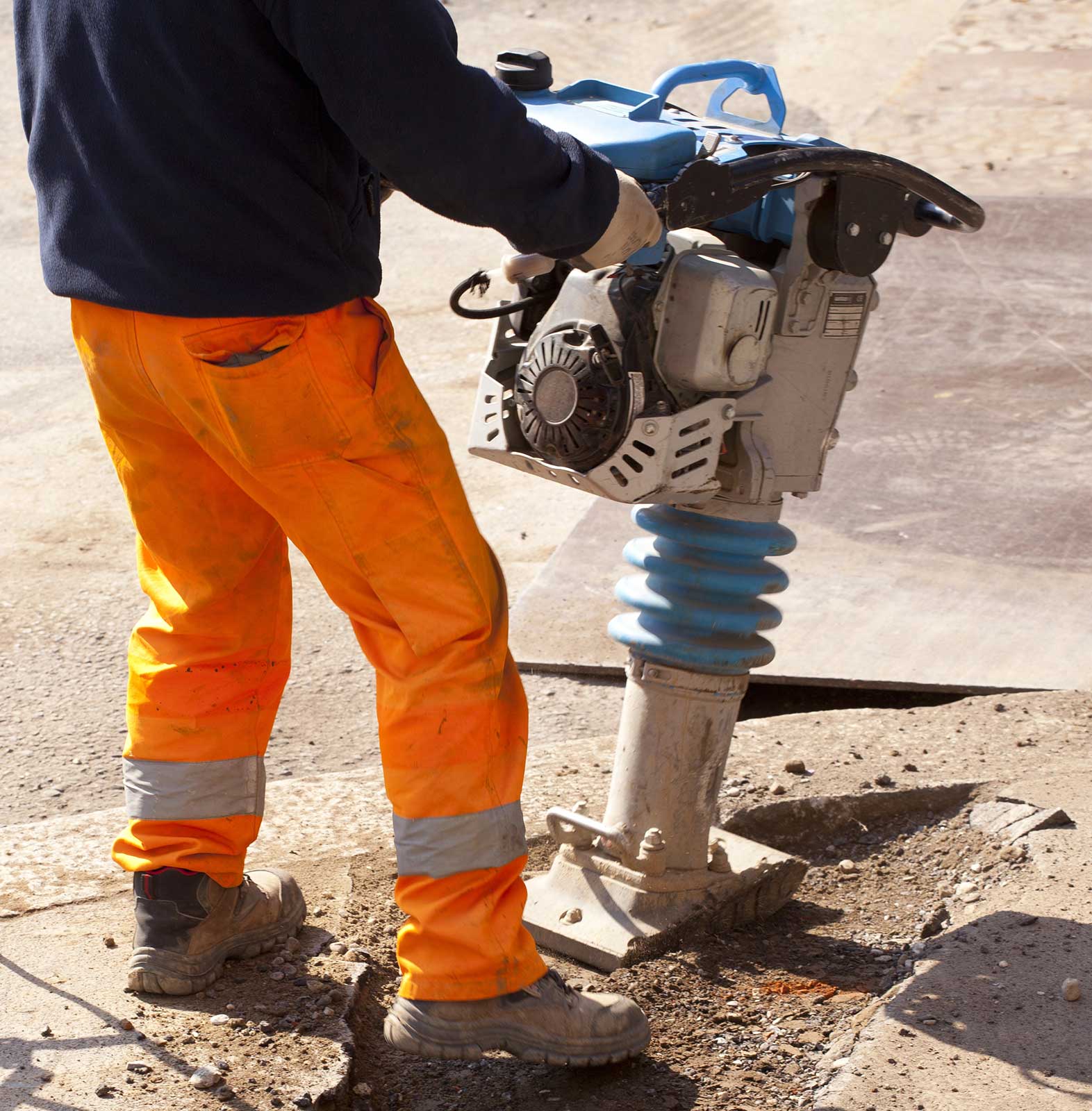
Noise can mask warning alarms, spoken instructions, or approaching hazards, creating a serious safety risk in industrial, construction, and transport environments. Physiologically, noise exposure can elevate heart rate and blood pressure, while mentally it can contribute to fatigue, irritability, anxiety, and decreased productivity. Over time, these effects can reduce morale and performance across a workforce.
The consequences for employers can also be significant. Failure to control noise risks can lead to enforcement action, civil claims, and reputational damage, particularly where long-term hearing loss among workers could have been prevented through reasonable control measures.
What are the regulations that deal with workplace noise exposure?
The Control of Noise at Work Regulations 2005 established the legal framework for managing noise risks in the UK. These regulations require employers to assess, control, and monitor noise exposure to prevent hearing damage.
There are three key limits:
- Lower exposure action value: 80 decibels (dB) daily or weekly average
- Upper exposure action value: 85 dB daily or weekly average
- The peak sound pressure limit: 137 dB, which must never be exceeded.
When exposure approaches or exceeds these levels, employers must take action in accordance with the hierarchy of control: first by eliminating or reducing noise at the source, then by implementing engineering or organisational controls, and finally by providing hearing protection as a last resort. Regular health surveillance (such as audiometric testing) is required where there is a risk of hearing damage.
What are the HSE guidelines for noise exposure at work?
Recent HSE inspection findings highlight a widespread lack of awareness around hearing protection use and maintenance. It revealed that:
- 75% of employees lacked knowledge about storing or checking hearing protection,
- 63% received no guidance on continuous use,
- 80% were not instructed on correct use, and
- 95% of employers failed to verify that warning signals could be heard.
The HSE advises using the CUFF system to check hearing protection:
- Condition – equipment is in good working order
- Use – consistently worn when needed
- Fit the ear – correctly fitted and comfortable
- Fit for purpose – appropriate for the noise hazard
How can iCOR support businesses in reducing their noise exposure risks?
iCOR is an intelligent compliance obligations register that adapts to your business operations. iCOR helps you to track up-to-date and relevant health & safety legislation and ACOPs, check your compliance with the Control of Noise at Work Regulations, and collect audit-ready evidence for regulators, ISO 45001 auditors, and stakeholders alike.
Book a demo here to learn how iCOR can help you feel confident in health & safety legal compliance.